Wheel Spacer Calculator
Enter your wheel width and offset and the spacer you are looking at. See the new offset, how far the wheel moves out, the new backspacing and how much thread your lug nuts need.
Wheel spacer calculator
A 20 mm (0.79 in) spacer turns +40 mm into an effective +20 mm offset.
- Wheel and tire move out: 20 mm (0.79 in) per side
- Track width on that axle: +40 mm (+1.57 in)
- Backspacing: 6.07 in now, 5.29 in with the spacer
- Lug nut thread engagement: at least 8 full turns on M12 x 1.5 studs (engagement at least the stud diameter)
Spacers this thick are usually bolt-on: they bolt to your hub with your lug nuts and carry their own studs for the wheel.
Backspacing assumes 0.5 in of rim flange on each side. Check fender clearance at full lock and with the suspension compressed.
Wheel spacer sizes and what they do
Each common spacer size on an 8 in wide wheel with a +40 mm offset, a typical car and crossover wheel.
| Spacer | Effective offset | Wheel moves out | Track width | Backspacing |
|---|---|---|---|---|
| 5 mm | +35 mm | 0.20 in | +0.39 in | 5.88 in |
| 10 mm | +30 mm | 0.39 in | +0.79 in | 5.68 in |
| 15 mm | +25 mm | 0.59 in | +1.18 in | 5.48 in |
| 20 mm | +20 mm | 0.79 in | +1.57 in | 5.29 in |
| 25 mm (1 in) | +15 mm | 1.00 in | +2.00 in | 5.07 in |
| 1.25 in | +8 mm | 1.25 in | +2.50 in | 4.82 in |
| 1.5 in | +2 mm | 1.50 in | +3.00 in | 4.57 in |
| 2 in | -11 mm | 2.00 in | +4.00 in | 4.07 in |
Backspacing starts at 6.07 in with no spacer, assuming 0.5 in of rim flange on each side.
Slip-on, bolt-on and hub-centric spacers
Slip-on spacers
Thin plates, usually 3 to 10 mm, that slide over your studs. The wheel goes on over them, so the lug nuts have that much less thread to grip. Longer studs are often needed.
Bolt-on spacers
Thicker spacers, usually 15 mm and up, that bolt to your hub with your lug nuts and carry their own studs for the wheel. Sometimes called wheel adapters when they change the bolt pattern.
Hub-centric
Has a lip sized to your hub bore and a second lip for the wheel, so the wheel stays centred on the hub. The usual choice for modern cars and trucks.
Lug-centric
No centring lip; the cone of the lug nuts centres the wheel. Common on older vehicles and cheaper spacers.
Fitting wheel spacers safely
- 1
Check thread engagement
The lug nut needs at least as much thread as the stud diameter: about 8 full turns on M12 x 1.5 studs and 10 on 1/2-20. The calculator shows this for your thread.
- 2
Match the hub bore
Buy a hub-centric spacer with the right bore for your hub and the right lip for your wheel.
- 3
Torque in a star pattern
Torque the spacer to the hub, then the wheel to the spacer, each in a star pattern to the spec.
- 4
Re-check after 50 to 100 miles
Check both sets of nuts after the first drive and at each tire rotation.
- 5
Check clearance
Turn the wheel lock to lock and check the fender lip with the suspension compressed. A wider stance can rub where the old one did not.
Before and after wheel spacers
AI samples of what 1.5 in and 2 in spacers do to the stance, made with our Wheel Spacers Visualizer.
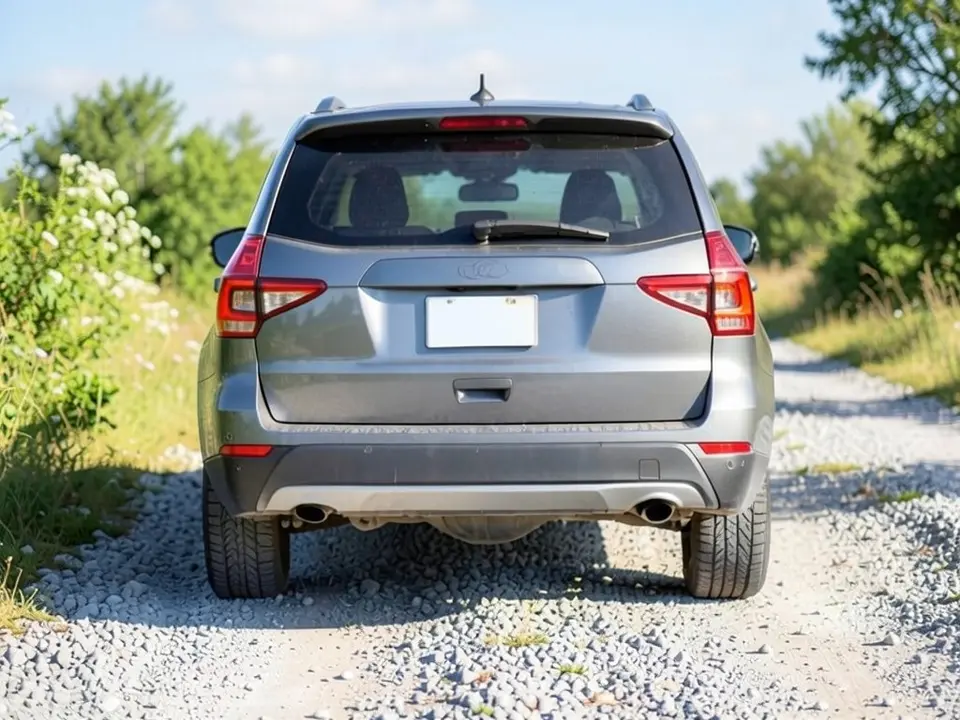
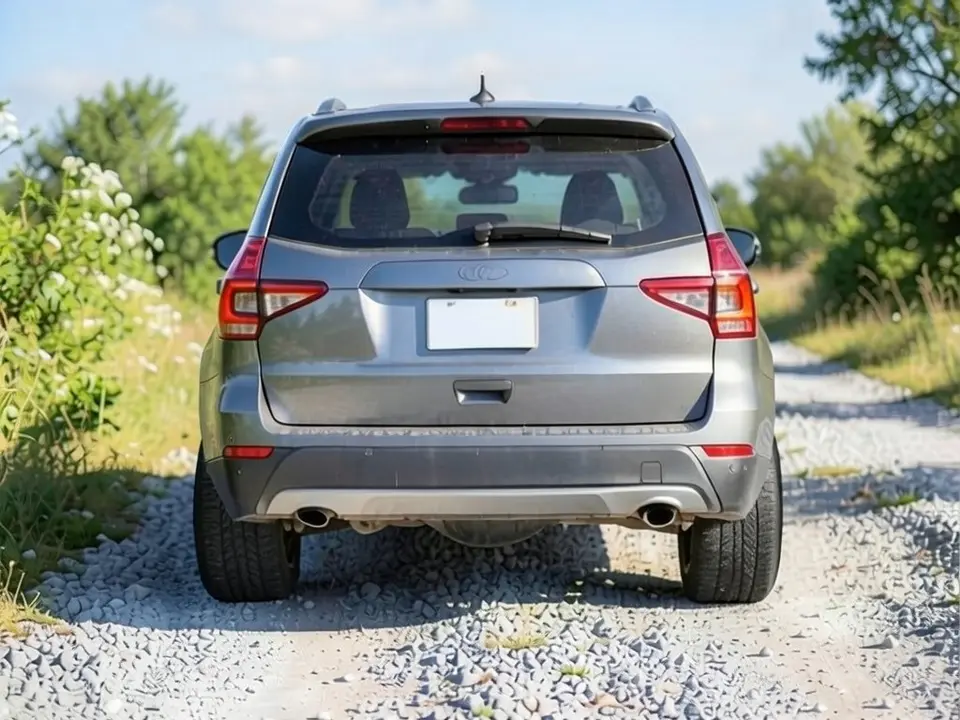
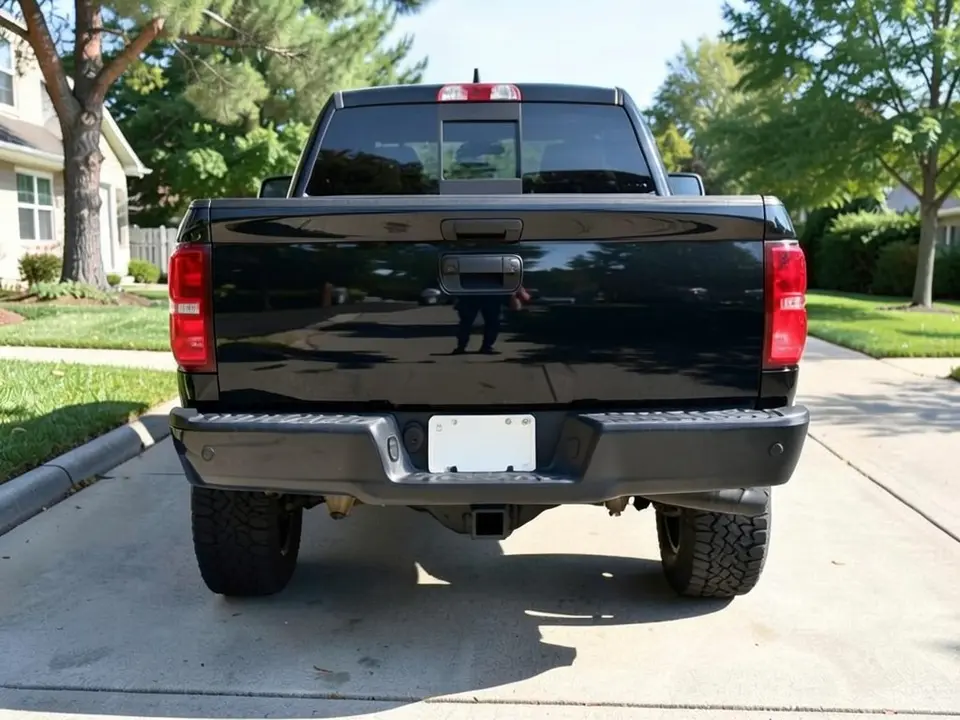
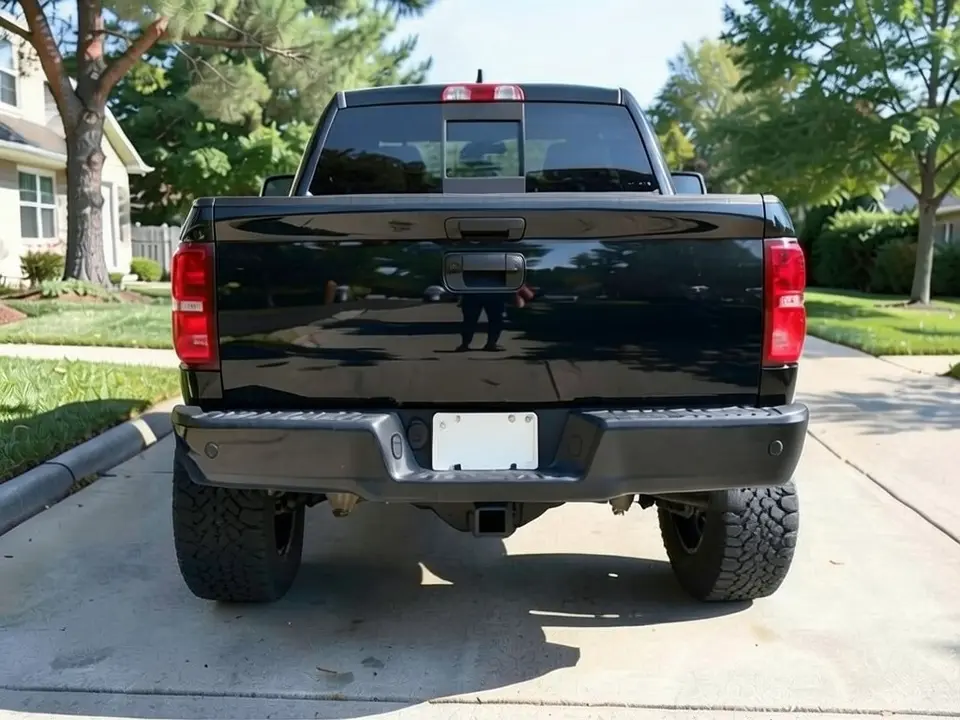
The example images are AI-generated samples made with our own image model, not photos of real customer vehicles, and they are not measured fitments.
Frequently asked questions
What does a wheel spacer do?
It sits between the hub and the wheel and pushes the wheel out by its thickness. That lowers the effective offset by the same amount, widens the track, and can clear big brakes or suspension parts that a wheel would otherwise rub.
How do wheel spacers change offset?
Subtract the spacer thickness in mm from the wheel offset. A +40 mm wheel with a 20 mm spacer acts like a +20 mm wheel, and a 1.5 in (38 mm) spacer on a 0 mm wheel acts like a -38 mm wheel.
Are wheel spacers safe?
Good quality hub-centric spacers fitted and torqued correctly are widely used. The risks come from thin slip-on spacers that leave too little thread for the lug nuts, cheap lug-centric spacers on heavy vehicles, and skipping the re-torque after the first drive.
What is the difference between hub-centric and lug-centric spacers?
A hub-centric spacer has a lip that fits your hub bore and a matching lip for the wheel, so the wheel is centred by the hub. A lug-centric spacer leaves centring to the lug nuts. Hub-centric spacers are the usual choice for cars and trucks with hub-centric wheels.
How much should I torque wheel spacer nuts?
Most spacer makers say to torque the nuts that hold the spacer to the hub to the vehicle's own lug nut spec, then torque the wheel to the spacer the same way, and check both after 50 to 100 miles. Use the spacer maker's figure if it gives one.
See spacers on your own car
Upload a photo and the Wheel Spacers Visualizer shows a wider stance before you buy.
See spacers on your carThe calculators on this page are free to use. The AI visualizer needs a sign-in: most new accounts get 5 free credits (valid 30 days); a standard render uses 1 credit, and free renders carry a WheelAI watermark.
Also try: Lug Nut Torque Chart · Wheel Spacers Visualizer · Tire Size Calculator · Tire Size Comparison · Tire Size Chart · Tire Size Converter · How to Read Tire Size · Wheel Offset Calculator · Bolt Pattern Finder · Gear Ratio Calculator · Tire Speed Rating Chart · Tire Load Index Chart · Tire Date Code